

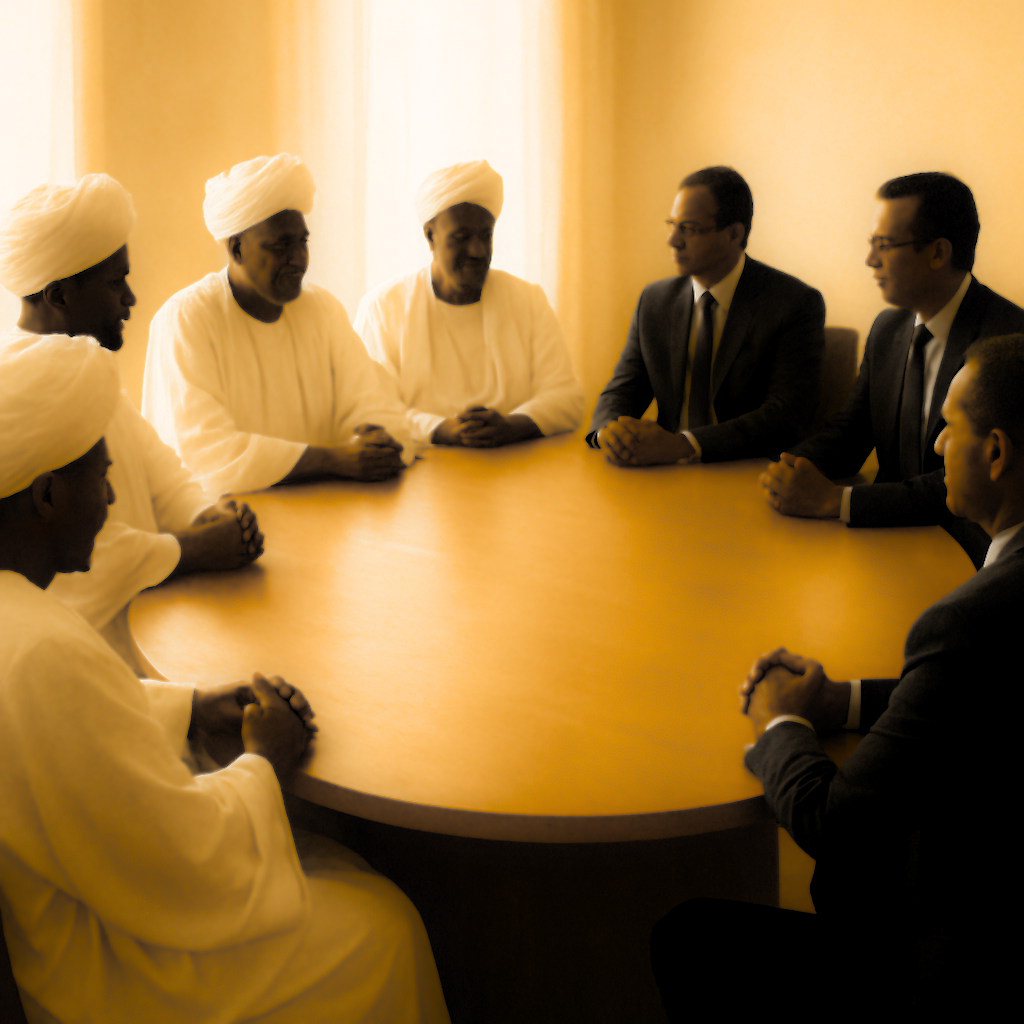
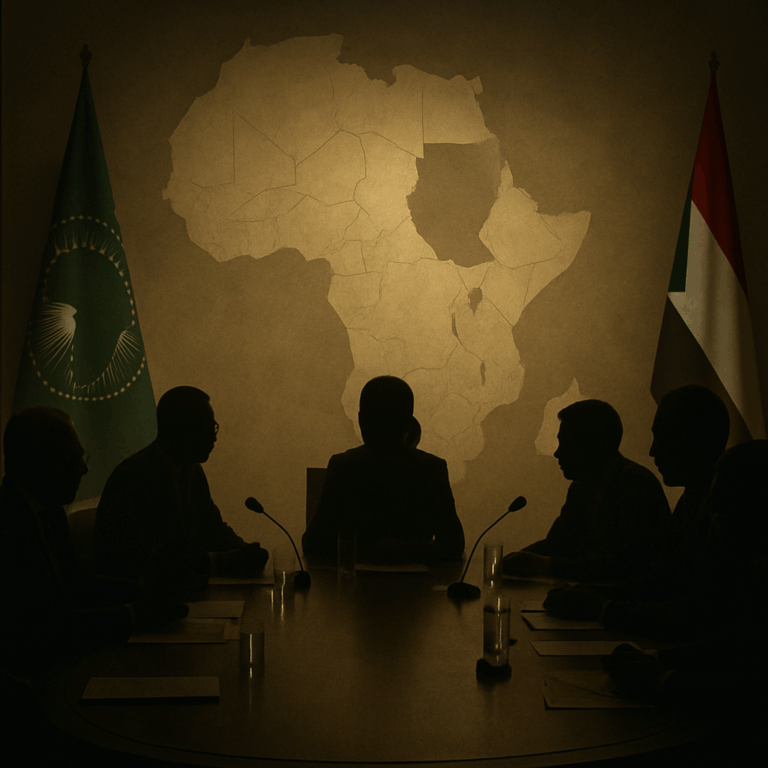
This paper examines the role of the Native Administration in Sudan and its relationship with modern state institutions, using Eastern Sudan as a case study. It comes at a critical moment in Sudan’s history, when rebuilding state institutions and redefining their relationship with local communities has become essential—especially in regions facing deep political, social, and developmental challenges. The study finds that past policies failed to effectively utilize traditional structures. Instead, political manipulation of the Native Administration has weakened its performance, reduced its stability, and limited its ability to represent local interests. The paper argues that reforming the Native Administration requires more than minor adjustments. It calls for redefining its role within a hybrid governance framework that links traditional institutions—enjoying broad legitimacy within local communities—with modern state systems to better reflect Sudan’s social diversity and community realities. The analysis draws on qualitative interviews with traditional leaders and community members in Eastern Sudan, along with comparative experiences from Botswana and Ghana, where traditional authorities have been successfully integrated into democratic governance. The paper recommends enacting a clear legal framework to regulate the Native Administration, establishing a Council of Elders within the national parliament to include traditional leaders, and involving them in local development initiatives. It also calls for stronger coordination between government bodies and international organizations, and urges political parties to adopt a code of conduct to prevent the politicization of traditional leaders.


 English
  Arabic