

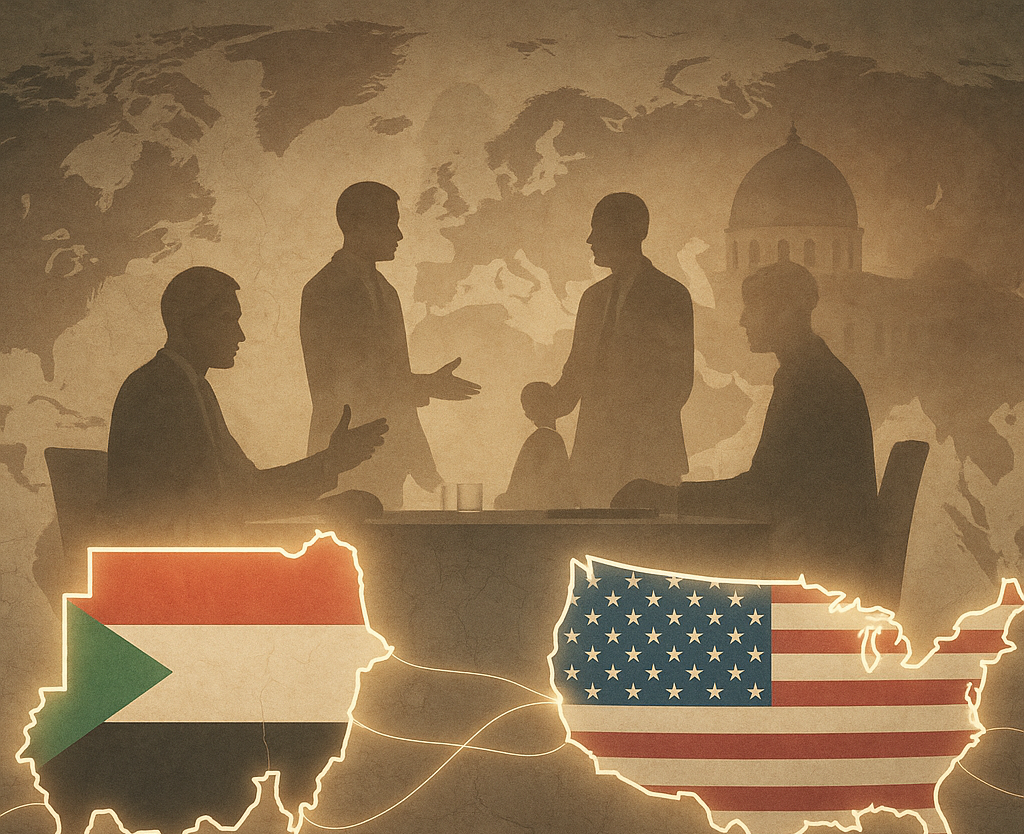
Sudan is experiencing the largest humanitarian crisis in the world, a ruthless war between SAF and RSF that is characterized by atrocities and the displacement of millions of people. Although the U.S. acknowledges genocide in Darfur and has strategic interests in the Red Sea and counterterrorism activities, its policy is divided in part by interbureaucratic divisions and frequently underprioritized. Although there have been renewed U.S. peace efforts of late, there is no general, coherent strategy, and this has been evidenced by the lack of sustained congressional focus. Using literature and interviewing the stakeholders, this paper examines the U.S. policy approach, outlines gaps, and suggests actionable advocacy mechanisms. The primary findings highlight the inconsistency of the policy, its interweaving with the overall regional alliances (e.g., Abraham Accords), and a lack of responsibility towards the external facilitators (e.g., UAE). The recommendations promote proactive political and diplomatic action, selective accountability, enhanced humanitarian response, and effective coalition building. More importantly, the paper presents the fluidity of the current U.S. policy as a strategic chance for the advocates to actively influence the decisive U.S. role, such that it supports the Sudanese sovereignty, unity, and welfare of its people.



 English
  Arabic